


Frequent Pitfalls in European Customs Clearance? Mihan Logistics Uncovers the Hidden Thresholds of 5 Major Ports, Helping You Avoid 80% of Cargo Detention Risks!
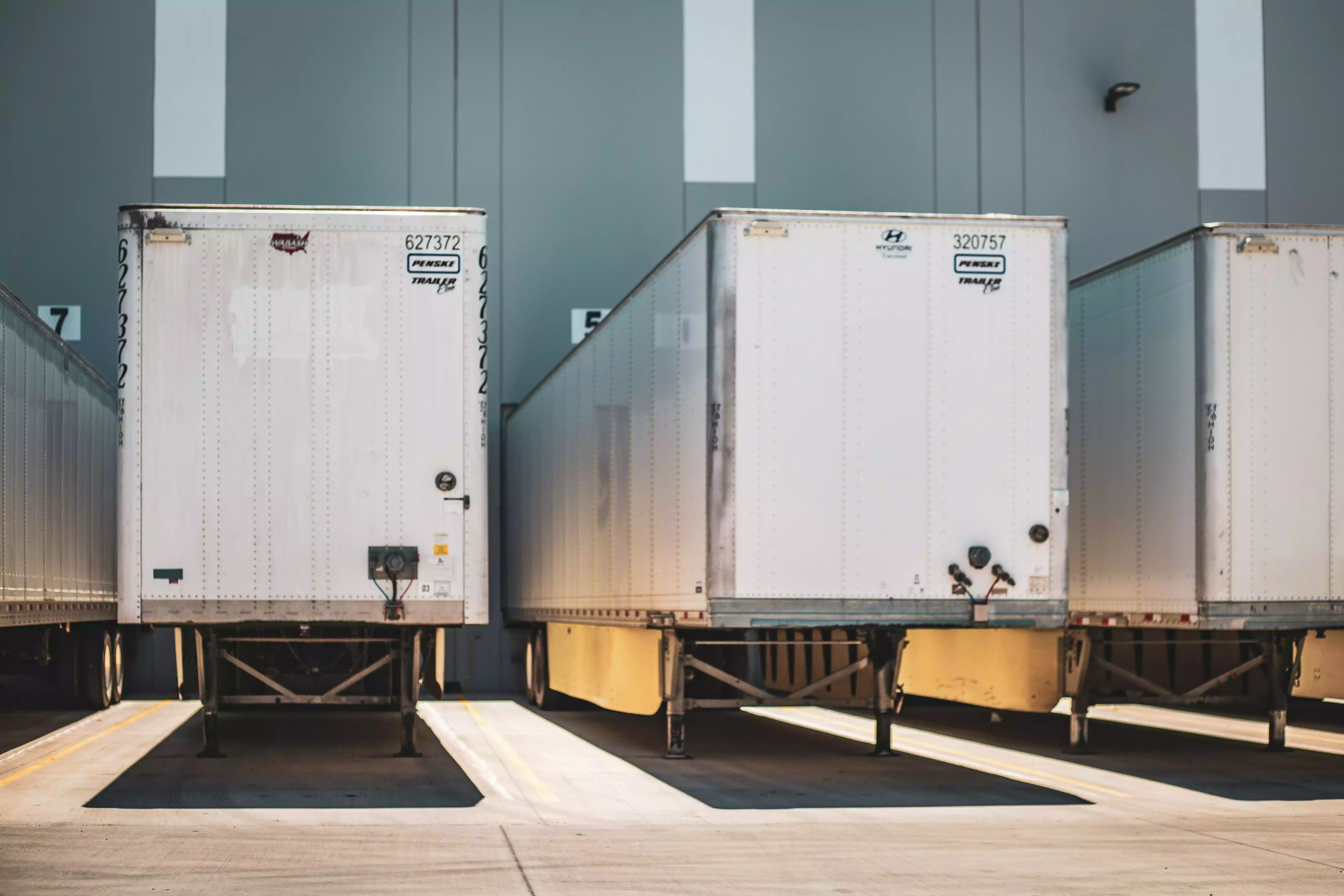
With years of in-depth expertise in European dedicated line services, Mihan Logistics analyzes the actual regulatory characteristics of Europe’s 5 core ports based on practical operational experience, helping you avoid risks in advance and cut costs while improving efficiency.
1. Rotterdam (Netherlands) & Antwerp (Belgium): Benchmark Ports for Digital Customs Clearance
Key Words: Under-declaration Early Warning | Anti-Dumping Screening | Valid EORI Number
Port Characteristics
As the most mature maritime gateways of the EU, customs authorities in Rotterdam and Antwerp rely heavily on electronic systems for automatic comparison of declaration data with minimal manual intervention, featuring rigorous logical verification rules.
Risk Avoidance Guidelines
- Strict crackdown on under-declaration: The system dynamically compares the average import price of goods under the same HS Code. A declared price more than 30% lower than the market average will trigger a yellow alert or direct customs inspection. Compliant declaration based on actual transaction value is strongly advised, with no room for opportunism.
- Anti-dumping and quota-regulated goods: Products such as Chinese-made aluminum foil, ceramic tableware and steel fasteners will be automatically flagged by the system. A complete Certificate of Origin and manufacturer invoice are mandatory.
- Valid and active EU EORI Number: Dutch customs conducts real-time verification of EORI status. Cancelled or expired EORI numbers will result in direct document rejection.
Mihan Logistics Recommendation
These ports are the top choice for fully documented and standard-compliant shipments, with a customs clearance lead time of only 1-2 working days, ideal for high-turnover cargo.
2. Genoa / Naples (Italy): Strict Auditor for Formal Compliance
Key Words: Local Language Labeling | CE & DOC Certification | Technical Documentation
Port Characteristics
Italian customs imposes extremely stringent requirements on document details and product local compliance with a relatively slow clearance pace. Rather than unreasonable delays, it implements EU directives in an extremely rigid manner.
Risk Avoidance Guidelines
- Mandatory local language requirement: Product labels, user manuals and safety warnings must include Italian; shipments with only English versions will be detained. For electronic and electrical products, attaching French and German versions is recommended to cover Southern European markets.
- Traceable CE certification: Customs will verify certificate numbers with Notified Bodies (NB). Shipments with counterfeit or expired CE certificates will be detained and penalized.
- Complete technical documentation submission: Prepare full Technical File including risk assessment reports, circuit diagrams and parts lists. Even general cargo is required to provide product composition statements.
Mihan Logistics Recommendation
Entrust professional institutions to review labels and documents before shipment, or opt for Minghan’s Italy Customs Clearance Pre-review Service to avoid hefty demurrage charges caused by format irregularities.
3. Le Havre (France): Rigorous Examiner for Tax & Document Format Compliance
Key Words: Consistency of Certificate of Origin | Active VAT Status | Complete MSDS
Port Characteristics
French customs has almost zero tolerance for tax compliance and document format errors, with strict scrutiny of full consistency among the Certificate of Origin, commercial invoice and bill of lading.
Risk Avoidance Guidelines
- Zero tolerance for minor discrepancies in Certificate of Origin (CO): Any inconsistency in shipper name, address punctuation or spacing in product descriptions between the CO, invoice and bill of lading may be deemed non-compliant and result in document rejection.
- Active VAT registration mandatory: French customs accesses real-time tax bureau data. Dormant VAT numbers that have been unused or failed to file regular tax returns will trigger immediate customs audits, with retrospective checks on import records for the past 3 years.
- Electric, magnetic and chemical goods: A French-version MSDS (Material Safety Data Sheet) and cargo transport condition appraisal report are mandatory; missing either document will classify the shipment as high-risk.
Mihan Logistics Recommendation
Adopt a triple verification system for document preparation, with cross-checks of orders, invoices and CO by separate staff members. For sensitive cargo, arrange document pre-review in advance via our partnered local French customs brokers.
4. Hamburg (Germany): Precision Inspector for Data & Environmental Standards
Key Words: Accurate HS Code Classification | IPPC Marking | Packaging Environmental Declaration
Port Characteristics
German customs is renowned for rigorous regulation. Minor deviations in the first 6 digits of the HS Code may lead to supplementary tax payment at minimum, or penalties for false declaration at worst. It enforces the strictest wooden packaging environmental standards across Europe.
Risk Avoidance Guidelines
- No vague HS Code classification allowed: General declarations such as "plastic products (3926)" are prohibited; classification must be refined to specific usage scenarios (e.g. 39269090). Customs will cross-verify with product images, forcing reclassification and additional tariff imposition for inconsistent descriptions.
- Clear IPPC marking for solid wood packaging: Marks must include country code, treatment method (HT/MB) and treatment enterprise number. Wooden packaging with wormholes, residual bark or blurry markings may face direct return without rectification opportunities.
- Environmental declaration requirement: Starting from 2025, Germany levies packaging authorization fees (LUCID) on imported goods; prior registration and packaging volume declaration are compulsory.
Mihan Logistics Recommendation
Prioritize fumigation-free plywood or carton packaging to eliminate IPPC compliance risks. For uncertain HS Code classification, apply for EU BTI (Binding Tariff Information) for advance ruling.
5. Malaszewicze / Rzepin (Poland) & Eastern European Ports: High-Risk Zones with Elevated Inspection Rates
Key Words: Soaring Inspection Rate | Overlapping Anti-Dumping Controls | Zero Document Error Tolerance
Port Characteristics
As core entry hubs for China-Europe Railway Express and trucking services, Polish customs has maintained an extremely high inspection rate for Chinese shipments in recent years (exceeding 30% in some months). The clearance process is slow, with an average of 5-10 working days required for unpacking inspections.
Risk Avoidance Guidelines
- Avoid shipping sensitive goods via these ports: Cargo containing lithium batteries, liquids, powders, cosmetics, toys (high CE certification risk) and all anti-dumping regulated products (e.g. bicycles, electric scooters, photovoltaic modules) face an unpacking inspection probability of over 70%. Inspected shipments incur high unpacking and warehousing fees, with lead time losses measured in weeks.
- Magnified impact of document errors: Minor issues such as missing product material descriptions, incorrect net weight or incomplete HS Code digits may only require supplementary emails at Rotterdam, but will be directly assigned to the Customs Red Channel in Poland, requiring physical product photos or even sample testing.
- Restrictions on local Eastern European VAT: Non-Polish registered VAT numbers face high operational complexity for railway imports. It is recommended to adopt valid VAT numbers from other EU member states with tailored logistics solutions.
Mihan Logistics Recommendation
Unless your cargo is simple general goods (e.g. non-powered mechanical parts, regular building materials) with perfectly compliant documents, we advise rerouting via Northwest European ports (Hamburg, Rotterdam) for customs clearance, followed by inland truck or railway distribution to Eastern Europe. Minghan provides a combined Western Europe Clearance + Eastern Europe Delivery solution with lower overall costs and controllable lead time.
Conclusion: Choice Outweighs Effort – Professional Port Matching Builds an Invisible Profit Moat
In European logistics, port selection is essentially a balance between customs clearance risks and comprehensive costs. Saving USD 300 in ocean freight by choosing high-inspection Eastern European ports may result in losses over 10 times the freight cost due to demurrage fees, peak season stockouts and customer claims once cargo detention occurs.
Mihan Logistics specializes in European ocean freight, railway freight, road freight and oversized cargo transportation, with an in-house customs clearance team and contracted licensed local customs brokers across Europe. We provide:
✅ Precise port matching based on HS Code and product attributes
✅ Pre-shipment document compliance pre-review to avoid 80% of format-related issues
✅ Customized solutions for anti-dumping and complex certification goods
✅ Pan-European transshipment and VAT agency services
Unsure which port suits your cargo? Contact us to obtain your exclusive European Customs Clearance Risk Assessment Report.
This article is compiled based on Mihan Logistics’ practical European customs clearance data from 2024 to 2026, with content updated on an ongoing basis. Reproduction without authorization is prohibited.