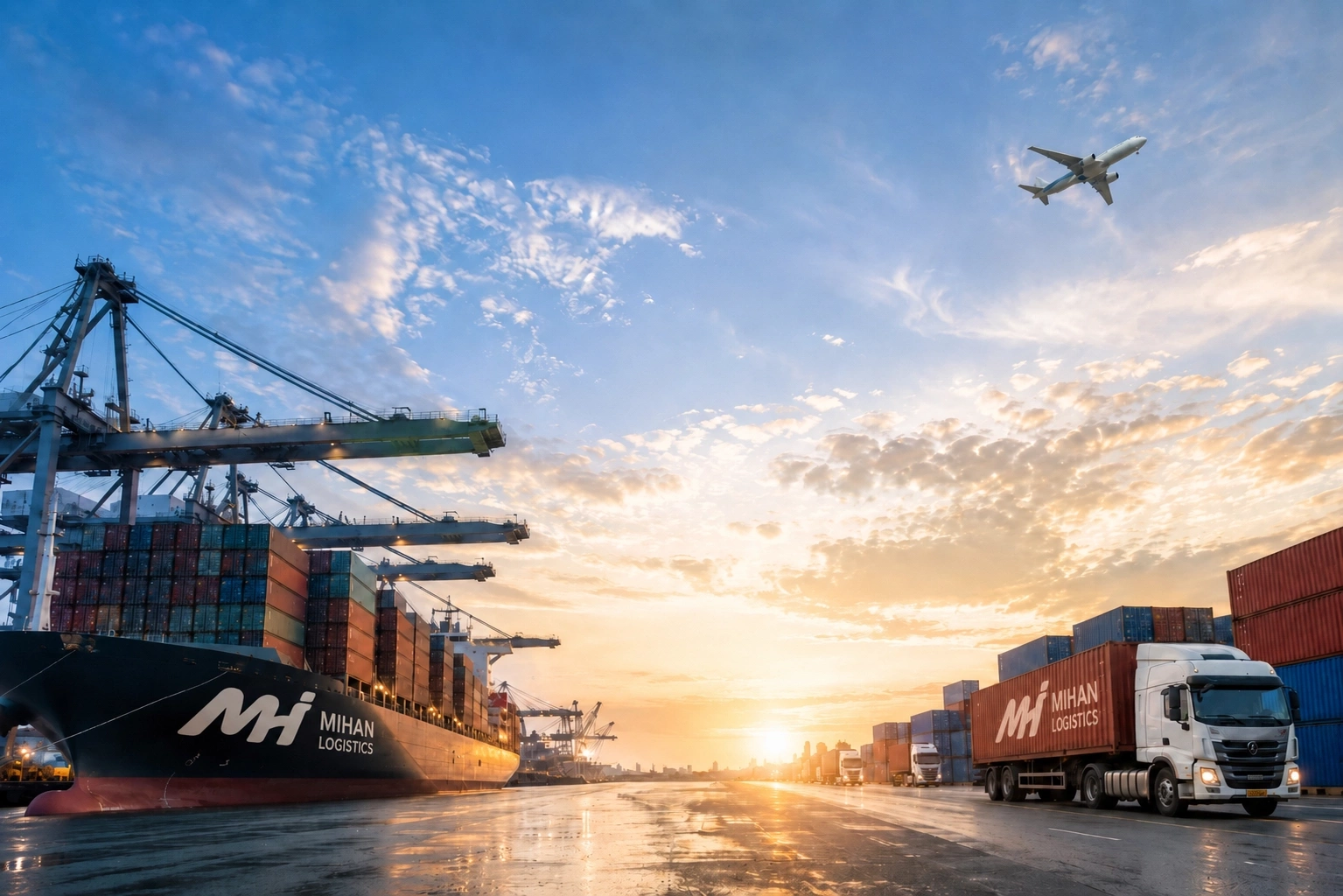



Importing and Shipping Machinery & Equipment from China: 2025 Industry Guide and Core Essentials
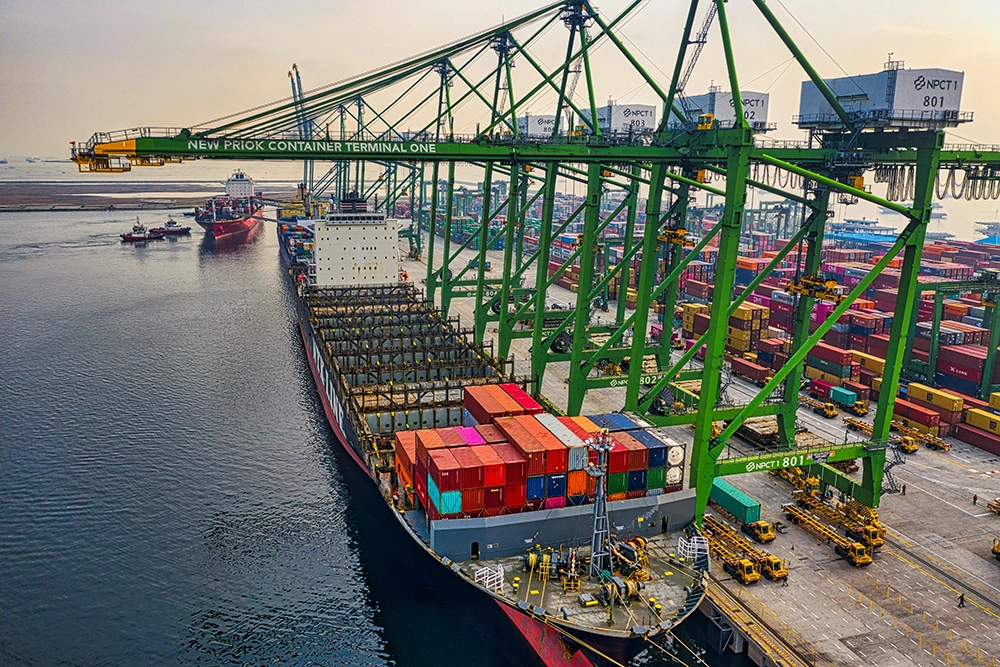
China exports an extensive range of machinery and equipment, covering 12 primary categories: agricultural machinery, heavy mining machinery, construction machinery, machine tools, instrumentation, motor vehicles, general petrochemical machinery, electrical machinery, basic mechanical components, packaging machinery, environmental protection machinery, and fitness equipment. To ensure smooth customs entry into destination markets, strict compliance with local laws, regulations and safety standards is mandatory. From the perspective of international logistics and practical trade operations, this article outlines nine core considerations for importing and shipping machinery from China, alongside professional operational recommendations.
Installation: Responsible Party and Execution Location
Will your supplier provide overseas installation services, or is on-site installation to be completed independently at your facility? Most Chinese suppliers offer installation guidance yet rarely deploy permanent on-site engineers overseas. Should you require dispatch of Chinese technical personnel to your project site, you shall bear all expenses including visa processing, travel and accommodation, alongside prolonged administrative lead times. Accordingly, it is recommended that you first assess the installation and maintenance capabilities of your local technical team or in-house staff. Prior to order placement, it is critical to confirm whether equipment will be delivered in a fully operational, full-load ready condition, as this directly impacts subsequent operational costs and production commencement timelines.
Operator Training: Systematic Technical Support from Suppliers
Technical training is pivotal for smooth commissioning of newly imported equipment. You shall verify with suppliers whether initial onboarding training and subsequent remote troubleshooting support are available. The majority of training services incur additional fees, and many suppliers only provide remote technical documentation. We recommend clarifying all after-sales support scope at the quotation stage, including access to technical resource libraries and remote technical assistance. Otherwise, you may need to dispatch technical personnel to China for on-site training and conduct internal retraining upon their return; such hidden expenditures shall be factored into your overall project budget.
Standards and Certifications: Compliance with Importing Country Regulatory Requirements
Machinery manufactured in China is predominantly designed for the domestic market, and does not inherently meet destination-country benchmarks for electrical safety, mechanical protection, environmental protection and emission control. Widely recognised international certifications include CE (EU), UL (USA), ASTM and CSA. Non-compliance with required certifications may result in customs detention, monetary penalties or outright cargo repatriation.
Prior to contract execution, request complete technical specifications and official certification documents from your supplier. Special attention shall be paid to ingress protection (IP) ratings, electrical safety, noise emission and environmental emission standards. During machinery cargo customs clearance operations, Mihan Logistics has frequently encountered shipment delays caused by incomplete certification documentation. We therefore strongly advise importers to conduct pre-shipping compliance verification in advance.
After-Sales Service & Spare Parts Supply: Solutions for Equipment Downtime
Even high-quality machinery is susceptible to malfunctions following extended continuous operation. Confirm with suppliers the availability of overseas after-sales maintenance services and provisions for complimentary spare parts (international freight charges for spare parts shall generally be borne by the importer). As spare part shipments originating from China typically require over 30 days in transit and attract applicable import duties, local alternative part procurement may prove more cost-effective in certain scenarios. We advise maintaining a safety stock of critical spare components, and explicitly stipulating spare part lead times, pricing and freight liability terms within formal contracts. Additionally, partnering with local maintenance workshops is recommended to minimise production downtime.
Packaging Solutions: Corrosion and Damage Prevention During Transit
Ocean freight exposes machinery to high humidity and salt spray corrosion risks, while temperature fluctuations during overland transportation may induce condensation-induced rusting. A reliable industrial packaging solution shall incorporate the following protective measures:
- Anti-corrosion treatment: sacrificial anode galvanisation, surface painting, heat-shrink plastic coating, etc.
- Securing and anti-slip reinforcement: Heavy-duty equipment shall be fastened to pallets or steel frames with full wrapping to prevent cargo shifting inside shipping containers.
Confirm all packaging specifications with your supplier prior to dispatch. For suppliers with limited export packaging experience, professional third-party logistics packaging services are advisable. Mihan Logistics provides customised industrial packaging solutions for machinery cargo, guaranteeing end-to-end cargo safety control from factory dispatch to destination port arrival.
Transport Mode Selection: Ocean, Air or Rail Freight
Select the optimal transport mode based on equipment weight, dimensional specifications and delivery urgency:
- Ocean Freight: Ideal for heavyweight and bulk machinery cargo. Shipping options include 20ft/40ft full container load (FCL) and breakbulk vessels. Reference freight rates from major Chinese ports (Shanghai, Ningbo, Tianjin, etc.) to the US West Coast stand at approximately USD 100–250 per tonne, with 40ft container rates ranging from USD 2,500 to 4,000.
- Air Freight: Suitable for consignments under 1,000kg, high-value cargo and time-critical shipments, with a transit window of 3–10 days at a relatively higher cost.
- Rail Freight: Preferred for inland destinations across Eurasia. It delivers transit efficiency between ocean and air freight, with superior shipment stability.
Mihan Logistics provides comprehensive door-to-door multimodal transport services. We devise optimal logistics routes tailored to your equipment parameters, budget constraints and delivery timelines, alongside real-time cargo tracking and full support for import customs clearance across global destinations.
Core Shipping Documents: Required Paperwork for Machinery Imports
Prepare the following mandatory documents in advance to ensure seamless customs clearance:
- Import Permit (for regulated equipment categories)
- Insurance Certificate: Valid coverage proof for cargo loss and damage risks in transit
- Purchase Order (PO) and Letter of Credit (L/C)
- Technical Datasheet: Detailed functional and operational specifications to facilitate customs valuation assessment
- Test Report (issued by accredited laboratories where applicable)
- Industrial Operation Licence (for industrial project deployments)
- Commercial Invoice, Packing List, Bill of Lading (B/L), Certificate of Origin, Arrival Advice
Incomplete or ambiguous documentation will inevitably trigger customs clearance delays. Mihan Logistics offers professional document verification and full customs brokerage services.
Customs Clearance Procedure: Efficient Import Declaration Process
- Engage a freight forwarder with proven expertise in heavy machinery logistics, such as Mihan Logistics.
- Maintain real-time cargo tracking via our logistics monitoring system post-dispatch.
- You will normally receive an official arrival advice within 5 working days upon vessel/transport arrival at the destination port.
- Submit complete import declaration documentation, ensuring full consistency between commercial invoice details, cargo marks & numbers, and shipment quantity.
- Authorise a customs brokerage agent (our team included) to complete customs declaration procedures, settle applicable duties and taxes, and obtain official cargo release clearance.
- If door-to-door delivery service is selected, conduct immediate inspection of packaging integrity, shipment quantity and external equipment condition upon receipt at your designated premise.
Shipping Cost Estimation: How to Obtain Accurate Freight Quotations
Machinery logistics costs are determined by dimensional specifications, gross weight, origin-destination routes, transport mode, cargo insurance and value-added logistics services. It is recommended to compare quotations from multiple qualified carriers. Mihan Logistics provides real-time freight rate estimations for shipments from China to the United States, Germany, France, Spain, UAE, Saudi Arabia, Italy, the United Kingdom and numerous other global destinations. For reference, the 2024 freight rate for a 40ft FCL container from Shanghai to the US East Coast ranged from USD 3,000 to 4,500. For a customised, precise quotation, kindly provide detailed equipment parameters including unit weight, dimensions and stackability, and we will formulate a bespoke end-to-end logistics solution accordingly.
Importing machinery and equipment from China constitutes a systematic project spanning product selection, regulatory compliance, cargo packaging, international transportation, customs clearance and after-sales support. Meticulous planning at every stage directly determines overall project timelines and total landed costs. As a professional international logistics service provider, Mihan Logistics is committed to delivering safe, efficient and transparent heavy machinery logistics solutions for worldwide clients. Whether you are a first-time importer or regular bulk purchaser, we assist in risk mitigation and overall cost optimisation.
For up-to-date freight quotations or personalised one-on-one consulting services, please visit the official Mihan Logistics website or contact our professional business team.